Catalog
Twinkle
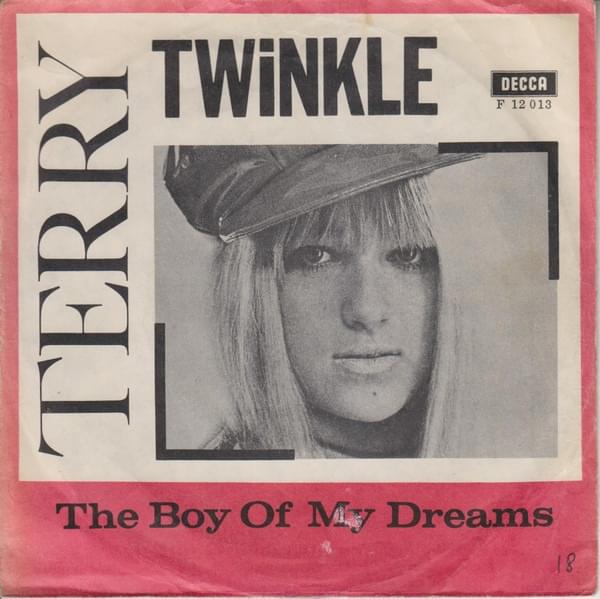
Born Lynn Annette Ripley in London, Twinkle emerged as one of the most distinctive voices of the British pop era in the mid-1960s. Still a teenager when she began recording, she was discovered within the vibrant London music scene and quickly signed to Decca Records at just sixteen years old.
Her 1964 debut single, “Terry,” became an immediate sensation. Written by Twinkle herself — an unusual feat for a female pop artist of the period — the song told a dramatic teenage tragedy story over Phil Spector-inspired production and soaring orchestration. The record reached the UK Top 5 and stood apart from contemporary pop for both its emotional intensity and the creative control Twinkle held as its songwriter. At a time when most young female singers were handed material, Twinkle was authoring her own.
Follow-up recordings including “Golden Lights,” “The End of the World,” and “Micky” further showcased her unmistakable voice: soft yet direct, innocent yet knowing. Her recordings blended Brill Building pop structure with British beat production, creating a sound that bridged American girl-group drama and the emerging UK pop identity.
Although her chart career was brief, Twinkle’s cultural impact proved lasting. Her recordings have been redisited by generations of musicians, collectors, and historians, and “Terry” in particular became a cult classic — admired for its cinematic storytelling and its rare perspective: a teenage girl writing and performing her own narrative in the early 1960s pop industry.
After stepping away from recording, Ripley remained involved in songwriting and later managed musical estates, but her recorded work continued to grow in reputation. Today, Twinkle is recognized as a pioneering female singer-songwriter of British pop — an artist who quietly helped establish a path toward artistic agency for women in popular music.
Her recordings endure as artifacts of a transitional moment in pop history: where teen pop met self-expression, and where a young writer’s voice cut through an industry that rarely made room for it.